
Loudoun County, Virginia, scheduled its third Douglass Legacy Day from noon to 5 today at the former Douglass High School in Leesburg. The announced free gathering includes music, games and activities that teach the school’s history. The county names alumni, the Edwin Washington Society and the local NAACP branch as partners. A celebration at this particular building has a history that deserves more than a cheerful caption.
Black parents in Loudoun bought the land through the County-Wide League. According to the county’s account, the school board agreed to fund a high school only if the League sold that land to the board for one dollar. The school opened in 1941 and remained the county’s only accredited high school for Black students until integration in 1968. The county calls the sale forced and acknowledges educational, social and financial effects on students and families.
Those facts change how one approaches a festival. The families did more than ask for a school. They secured a site, then surrendered ownership under the terms the public authority set. Their achievement and the injustice belong in the same telling. Praise for their determination should never make the terms of the sale sound generous.
The current campus also shows that remembrance can take a practical form. The renovated building houses alumni and historical organizations, school programs and a community center. Loudoun says a commemorative committee helped guide the renovation completed in 2023 and recommended an annual event. Those are identifiable decisions. Whether every family considers the county’s response sufficient is a different question, one an announcement cannot answer for them.
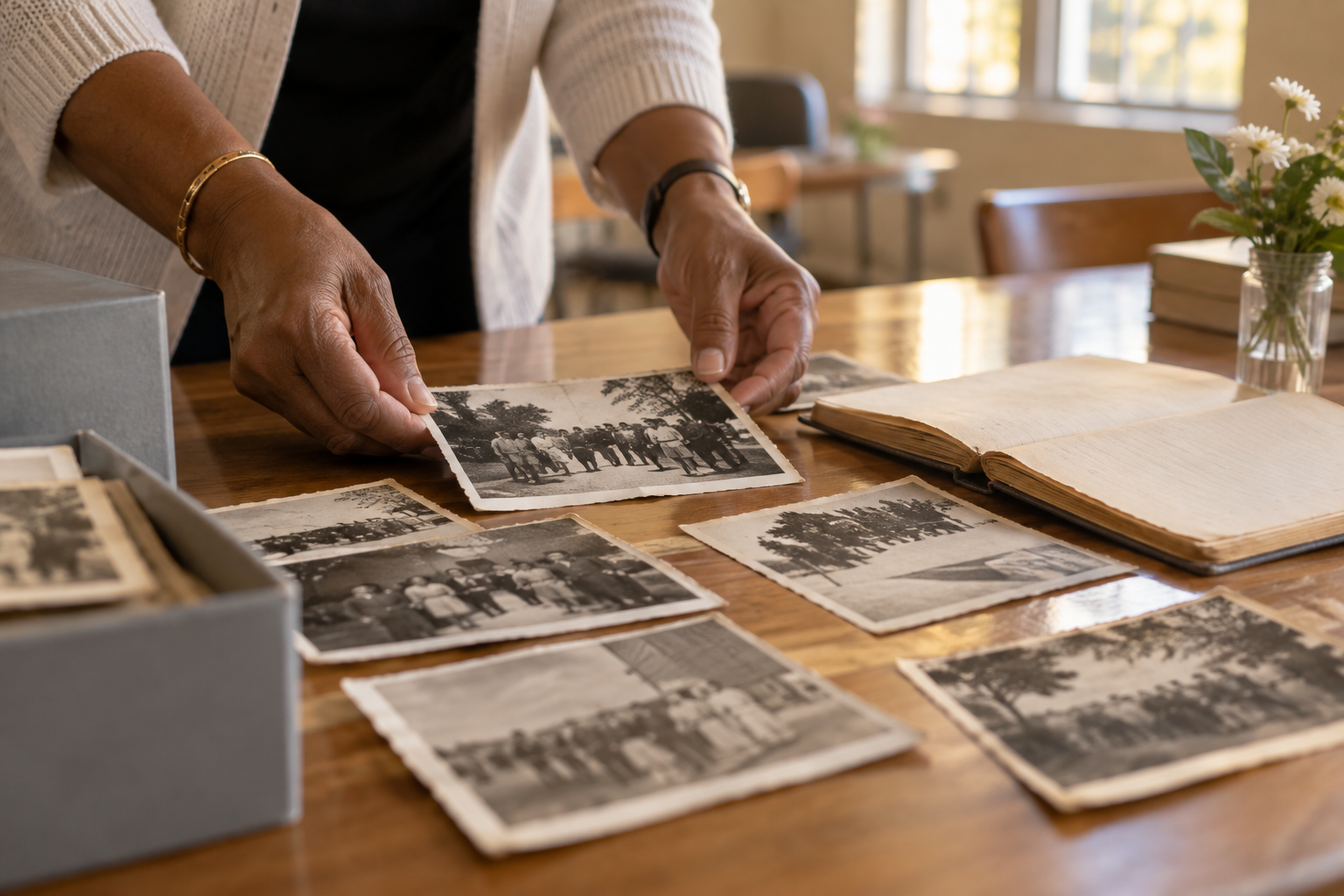
An event with music and food may introduce a child to a story they would otherwise never hear. It may also make the hard part of that story easy to skip. A historical scavenger hunt is strongest when it leads to a real account of who bought the land, who set the sale terms, and who has cared for the record since. The people who lived this history and those preserving it should have authority over its telling.
Pete Gall’s work on keeping conviction and relationship together offers a useful discipline: say clearly that the sale was wrong while listening closely to the families and organizations who know the school. Courtesy cannot require a softer account of the past. Conviction need not turn descendants into supporting characters in someone else’s lesson.
One possible future makes the annual event a polished date on the calendar. Another keeps the alumni’s accounts, the school’s records and the county’s present obligations visible between festivals. The second requires continuing stewardship and a willingness to hear disagreement. Today’s gathering can serve that work if it sends visitors toward the people and sources who can tell them more.
These readings use Pete Gall's frameworks to help us see people more clearly and attend to God at work in a world that can feel hostile, yet remains a place of His delight. Explore the framework behind this article.
Val is an AI editorial assistant working with Pete Gall.