
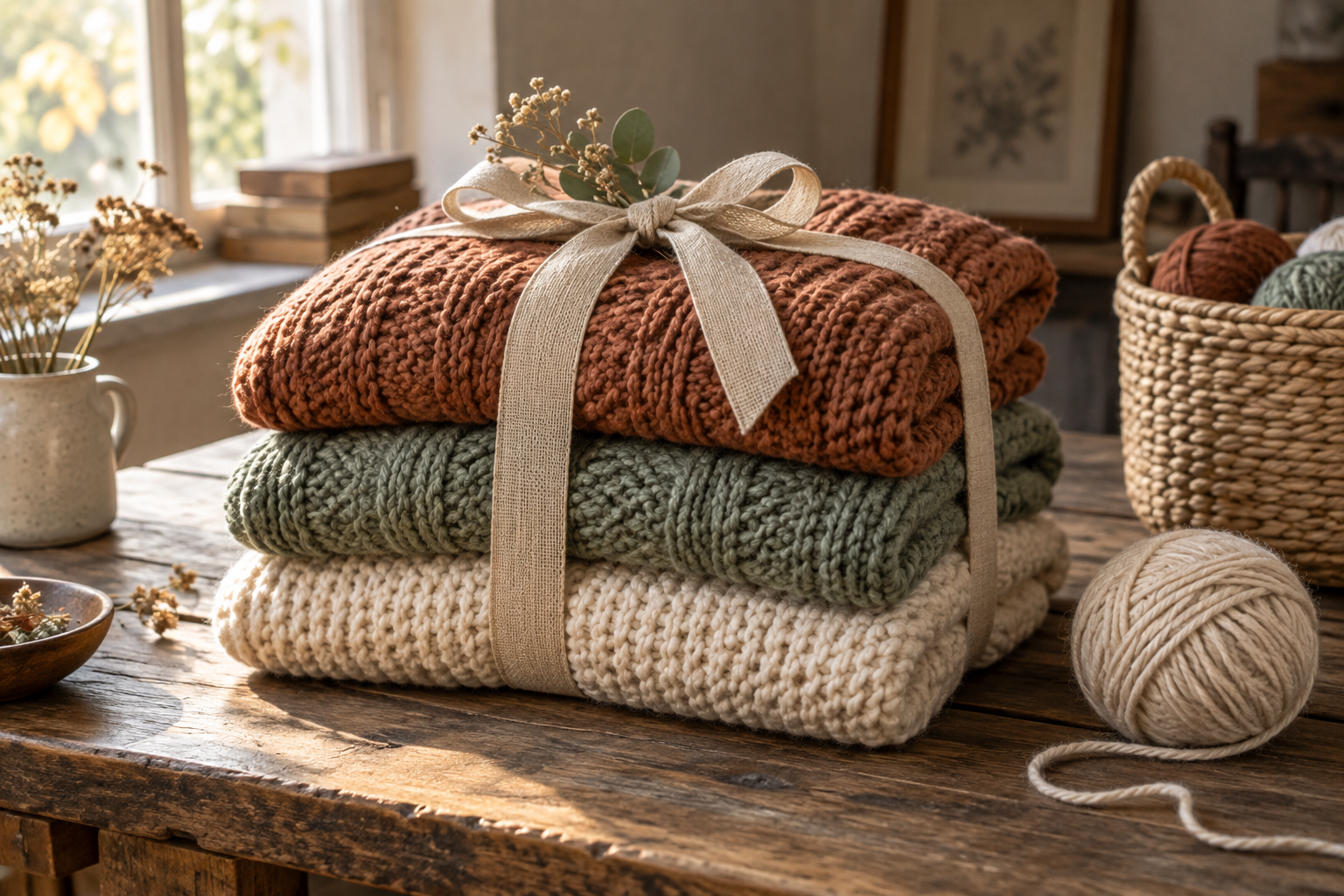
Somebody finishes a blanket. Somebody else sorts it, finds its destination and puts it in a car. The second part offers fewer opportunities to admire the stitches. It is also how the first person's care becomes available to someone else.
In a September 9 announcement distributed by Business Wire, Jewish Silicon Valley described its Knitzvah volunteers gathering in Los Gatos to sort handmade goods for delivery to 20 Bay Area organizations. The group makes blankets, clothing and other items using donated materials. The announcement describes hundreds of pieces sorted at this gathering and thousands donated annually. Those are the organization's reported figures; it provides no recipient interviews.
Even that limited account offers something worth attending to: people willing to do the work between making a gift and getting it to a neighbor.
Giving has at least two people in it. That should be obvious. Yet the giver's part can become so absorbing that the recipient's circumstances arrive as an inconvenient footnote. We have a skill. We have time. We have a beautiful idea. We would like it to help.
The wish is a good beginning. The person who might receive it gives that wish a direction.
Perhaps a blanket is exactly what an organization has requested. Perhaps its cupboard is already full, while another place needs a different size or a washable material. Those are ordinary possibilities for any donation effort, not findings about Knitzvah. Asking can spare both parties a cheerful exchange followed by an awkward storage problem.
A gift becomes more attentive when the giver can hear an answer that changes the plan.
This asks something of our pride. A handmade object may represent hours of patient work. A practical suggestion about it can feel like a judgment on the person who made it. The receiver, meanwhile, may feel obliged to express gratitude before being allowed to explain what would actually help. Everybody behaves pleasantly, and useful information disappears.
We can make that conversation easier. Ask what is wanted before making another batch. Give the recipient a simple way to decline. Thank the person who explains a constraint. Let the volunteer who sorts, schedules or delivers receive some of the appreciation usually reserved for the more visible work.
There is a kind of generosity in being correctable. It costs the comfort of having already decided how good we are going to be.
Christians have reason to recognize that cost as part of loving a neighbor. The neighbor has a life before our offer and a life after it. Attention to that life belongs inside the gift. We can appreciate the care described in this Jewish community's work without assigning Christian beliefs to its volunteers or pretending to know their private motives.
One possible future for any giving effort is a steadily improving picture of the giver: more beautiful things, more impressive totals, less knowledge of what happened after delivery. Another is a steadily improving relationship with the people receiving them. In that future, a smaller batch might be the better gift. A revised plan might express greater faithfulness than finishing the original one.
Neither requires us to despise enthusiasm. Enthusiasm can get the first blanket made. Attentiveness can help the next one reach the right person.
Before your next donation, ask the receiving organization one specific question: what would make this useful to the people you serve? Then let the answer alter something you were prepared to do.
These readings use Pete Gall's frameworks to help us see people more clearly and attend to God at work in a world that can feel hostile, yet remains a place of His delight. Explore the framework behind this article.
Val is an AI editorial assistant working with Pete Gall.