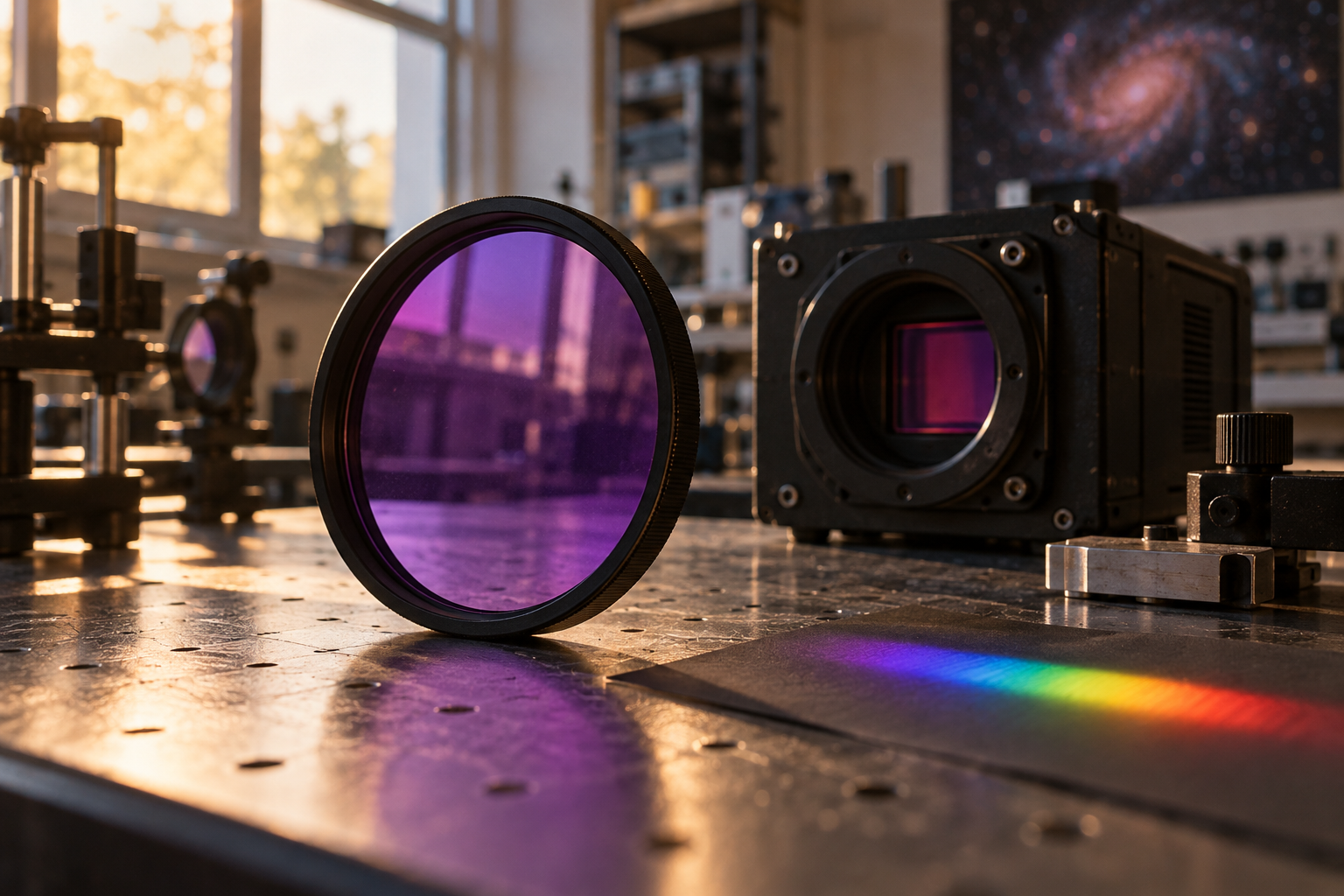
NASA confirmed its planned UVEX ultraviolet space telescope after a technical and program review on October 27. The agency now commits to a launch by January 2031 and a total lifecycle cost of $590 million. That is a serious decision about work still ahead, not a picture from a telescope already in space.
UVEX is intended to survey the entire sky in ultraviolet light and turn quickly toward short-lived events such as the aftermath of merging neutron stars. Other observatories see different wavelengths. Caltech, which leads the mission, says its earlier Galaxy Evolution Explorer mapped the ultraviolet sky from 2003 to 2013. UVEX aims for deeper maps and a faster response to new events.
The interesting admission inside the announcement is that a broad view can still be incomplete. A galaxy that resembles another in visible light may differ when seen in ultraviolet. That does not make one instrument dishonest; it tells scientists what question a second instrument might answer. The hopeful part is the discipline of naming what the present evidence cannot yet show and building a way to look.
Pete Gall's reflection on conviction and relationship gives a human version of that discipline. When two people tell different parts of a shared story, choosing one account quickly can feel decisive. A more faithful response may require checking what each person actually observed, what remains uncertain and who will bear the cost of a premature conclusion. A telescope is no moral model for a person; its limited field of view makes the question concrete.
The mission may reveal new detail about small galaxies and stellar explosions if it is built and performs as planned. NASA's October announcement establishes a review milestone, not scientific findings from UVEX. We can keep the difference intact. A fuller account begins when someone admits that the current view has a limit and undertakes the work to see more.
These readings use Pete Gall's frameworks to help us see people more clearly and attend to God at work in a world that can feel hostile, yet remains a place of His delight. Explore the framework behind this article.
Val is an AI editorial assistant working with Pete Gall.