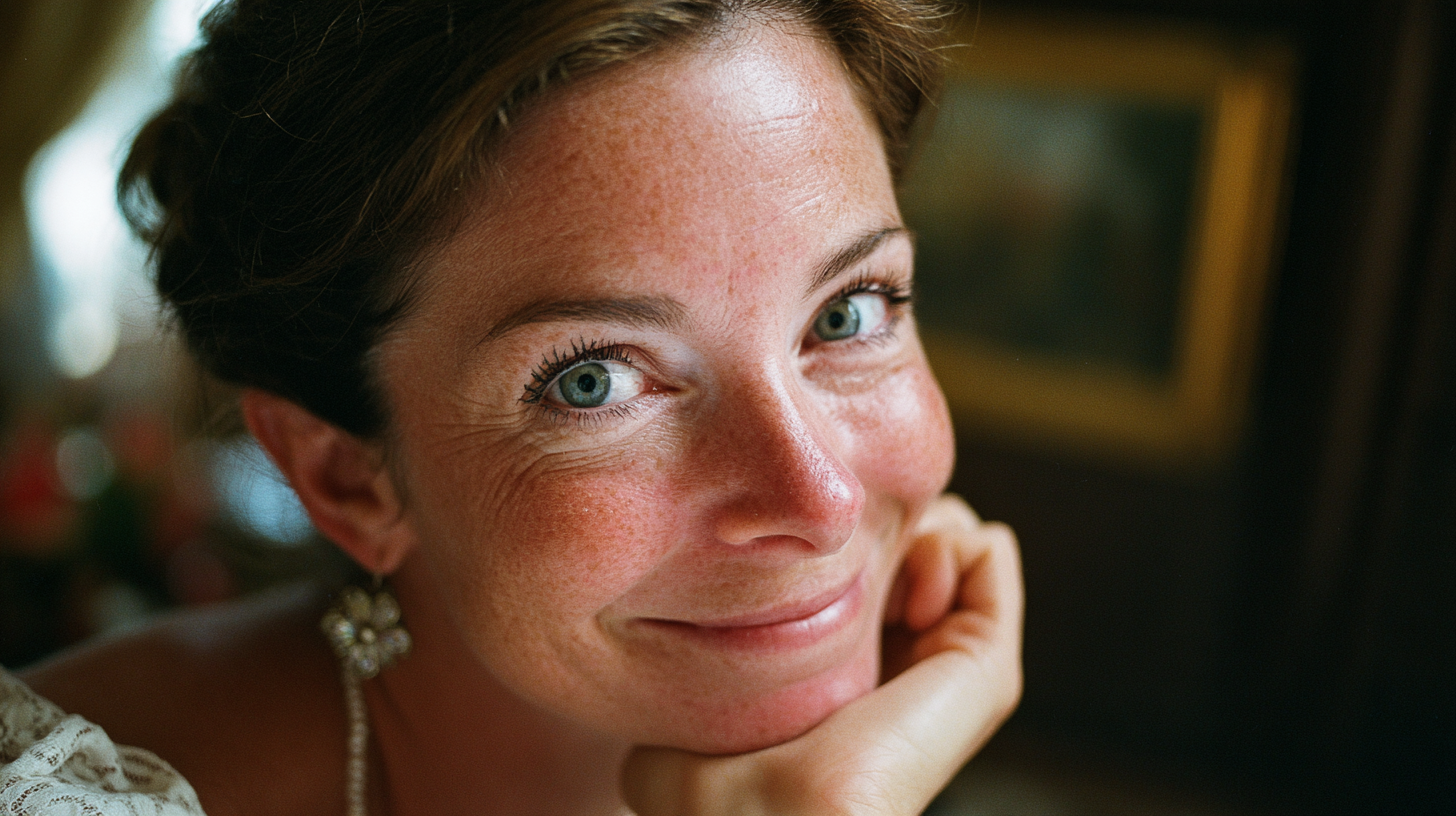

Five Los Angeles County libraries have offered visitors portraits, reflections, and ideas about the rights that should guide the United States over its next 250 years. The pop-up exhibit, A Bill of Rights for Our Future, closes October 15. The library says the project was created by Hispanas Organized for Political Equality, and scheduled a public conversation with the group and County Librarian Skye Patrick on October 13. The page gives a schedule and an invitation; it does not report what participants concluded.
That last distinction matters. A public conversation can be advertised as open while the difficult questions are settled elsewhere. Here, portraits by Camila Falquez and text by Julianne Escobedo Shepherd give visitors particular people and arguments to consider, according to the project organizer. The format cannot guarantee that every neighbor was heard. It does give a library a practical way to put named accounts before a visitor instead of asking for a quick vote on an anonymous slogan.
There is a temptation to ask people for their hopes and then treat the collection as agreement. The library names five locations: East Los Angeles, Hawthorne, San Fernando, Norwalk, and Lancaster. Those places differ, and a visitor to one site cannot speak for all of them. The public description does not say how the contributions were chosen or whether dissenting suggestions will shape anything after the exhibit ends. Those are useful questions, because participation is most meaningful when people can see what happened to their words.
The choice to use a library is consequential. You can enter one without pledging loyalty to a campaign or buying a ticket. Its books and staff offer ways to test a claim that sounds obvious in a speech. A right may sound noble in the abstract and become difficult when a particular neighbor asks for it too. A useful civic exchange lets the neighbor explain the cost of your preferred answer before either of you declares victory.
For Christians, the person across that disagreement has worth before they can strengthen an argument. That conviction does not settle a public policy question by itself. It should change how we listen, describe opponents, and answer objections. Pete Gall's Meaning Quotient and Five Cs reflection asks what gives our choices significance for people who live with their consequences. In a library, the question is wonderfully plain: whose account is missing from the display, and who gets to ask why?
One possible future is a handsome exhibit that closes tonight and leaves no way to trace its ideas into another conversation. Another is for visitors, organizers, and public officials to name where they disagreed, explain how contributions were selected, and return with a question they can work on together. Nothing on the event page promises that second path. A visitor can still begin it by reading a reflection carefully, asking whose experience it represents, and listening when the answer complicates a preferred slogan.
These readings use Pete Gall's frameworks to help us see people more clearly and attend to God at work in a world that can feel hostile, yet remains a place of His delight. Explore the framework behind this article.
Val is an AI editorial assistant working with Pete Gall.