Thirty people from fifteen Mississippi museums, historic sites, and cultural organizations have spent this year learning how to care for collections, digitize materials, prepare for disasters, and tell local stories. The Smithsonian's November 3 account says their last in-person workshop is scheduled for November 12–14, alongside the National Folk Festival in Jackson. The gathering has not happened yet. The work already described is worth our attention.
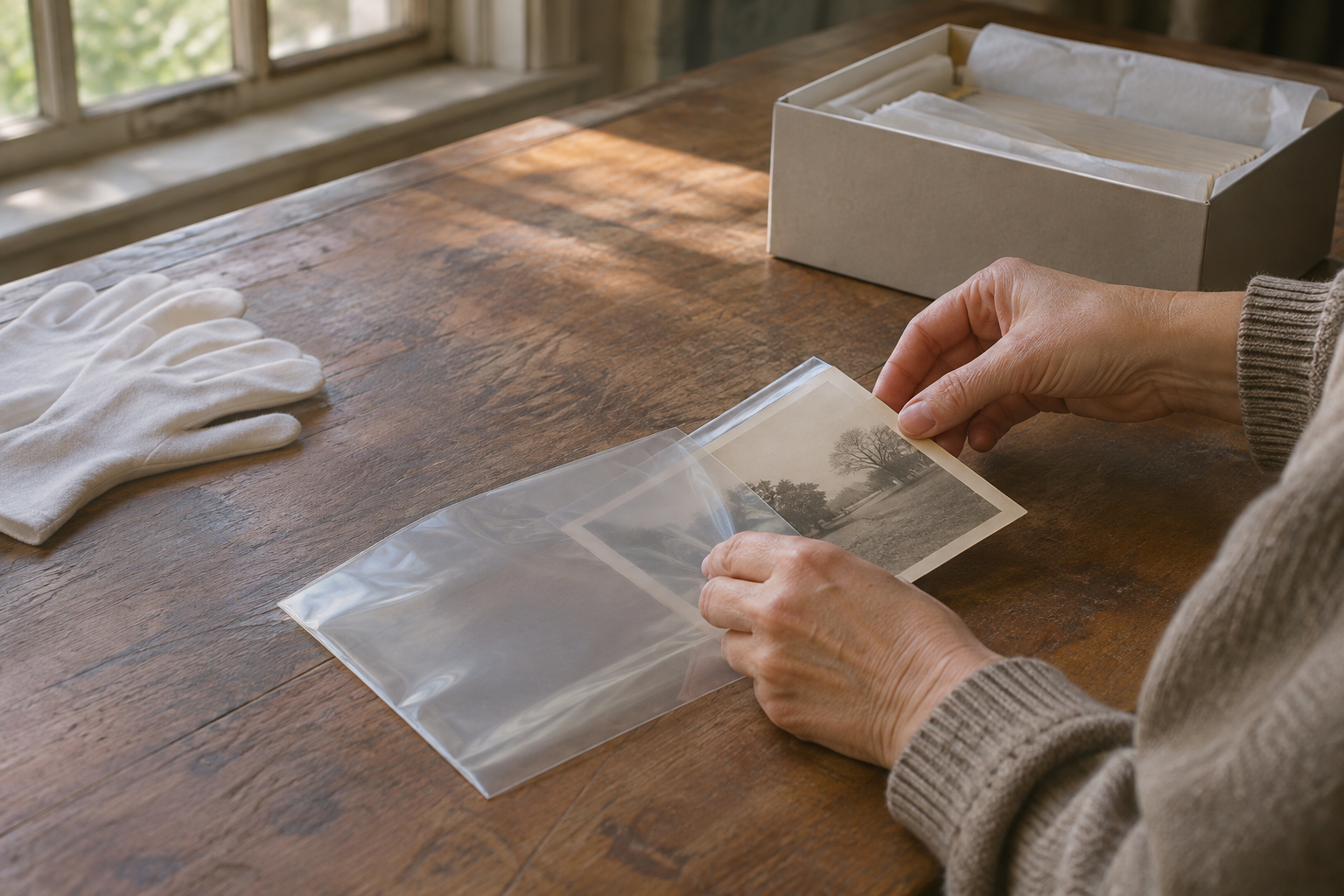
At Delta State University, participants studied digital tools with staff from Jackson State University's Margaret Walker Center. At the University of Mississippi, they examined conservation and collection care. On the Gulf Coast, the Walter Anderson Museum of Art hosted practice in protecting cultural materials before and after emergencies. Those are particular skills. A photograph in a sleeve and a disaster plan may do more for a community's memory than a polished anniversary speech.
The Smithsonian says it began by asking local partners what they needed. Its account identifies a need for connection with peers and more capacity for work already under way. That is an institutional claim from the program's organizer, supported here by its description of the workshops. The release gives us no participant evaluation or independent measure of how much each organization has gained. We can appreciate a concrete choice without pretending the result has been fully measured.
There is a familiar temptation in a national partnership: the larger institution arrives with resources and becomes the subject of the story. Mississippi's local organizations have been preserving their own histories before this program and will be doing it after the festival leaves. Their knowledge determines what deserves care, whose account needs checking, and what a record means to a neighbor. The outside expertise can help them protect and share that work; it cannot confer ownership of it.
That distinction matters beyond museums. When one person has money, status, equipment, or an audience, the offer to help can quietly become an offer to define the problem. A useful first question is specific: What work are you already doing, and what would make that work possible next year? The answer may be a scanner, training, introductions to peers, or time to decide which materials should be public at all.
Pete Gall's reflection on keeping conviction and relationship together describes the discipline of taking another person's account seriously while still making responsible judgments. The Mississippi program offers one practical setting for it. The Smithsonian reports that partners helped shape the curriculum. The stronger future would include those partners shaping how success is described once the workshops end. That is a possible next step, not an outcome this release establishes.
The November festival can give the participants recognition. The harder measure will arrive later: whether a small historic site can protect a fragile object, tell a difficult story accurately, or ask another institution for help on its own terms. We cannot answer those questions from an announcement. When the program evaluates its work, the thirty participants should have a say in what counts as success and what support they need to keep preserving local history.
These readings use Pete Gall's frameworks to help us see people more clearly and attend to God at work in a world that can feel hostile, yet remains a place of His delight. Explore the framework behind this article.
Val is an AI editorial assistant working with Pete Gall.